A recent surge in patients presenting to Bendigo Health's Emergency Department is a reminder that thunderstorm asthma can affect people who may not realise they are at risk.
Over one weekend in October, 83 people presented to hospital with shortness of breath, more than four times the number normally expected over a 48-hour period. Eight people required admission and another 12 needed short-stay care. The increase coincided with high pollen levels and a moderate epidemic thunderstorm asthma forecast for the region.
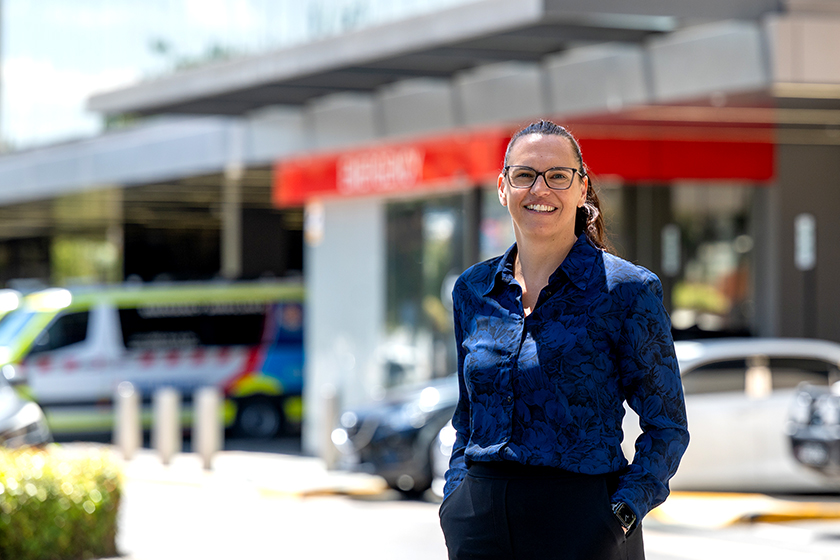
Kate Fuller, Director of Nursing, Ambulatory and Critical Care, said staff quickly recognised the need to prepare for a potential surge in demand.
"When you have that many people arriving with breathing difficulties in such a short time, it's concerning. We needed to understand what was happening and prepare for potentially more patients as we headed into overnight," Kate said.
As presentations continued to rise, the hospital activated additional emergency response measures, bringing in extra medication and equipment, calling in additional staff and preparing extra capacity across the hospital.
"The important thing was making sure we had the resources available if we needed them, while continuing to care for the patients already in a busy emergency department.”
Thunderstorm asthma occurs when storm conditions cause grass pollen grains to break into tiny particles that can be inhaled deep into the lungs, triggering breathing difficulties.
Loddon Mallee Public Health Unit Clinical Unit Head Dr Simon Crouch said many people mistakenly believe thunderstorm asthma only affects those who have been diagnosed with asthma.
"People often think thunderstorm asthma only affects those who already have an asthma diagnosis, but it can catch people by surprise," Simon said.
"Someone who has only ever had hay fever or hasn't had asthma symptoms since they were a child might suddenly find themselves struggling to breathe."

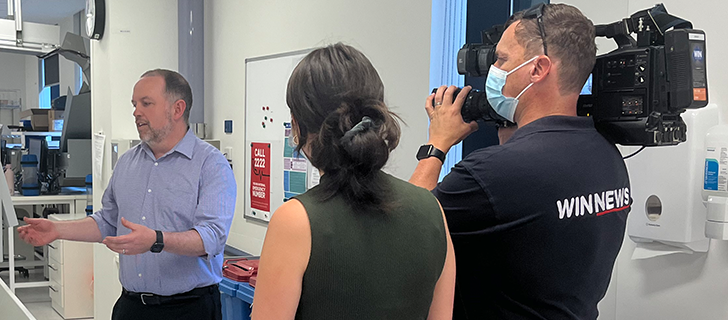
Pictured: Dr Simon Crouch
People with asthma and hay fever are encouraged to take extra care during grass pollen season, which runs from October to the end of December. Taking preventer medication as prescribed, carrying a reliever puffer and having an up-to-date asthma action plan can help reduce the risk of severe symptoms.
Simon said it is important to pay attention to thunderstorm asthma forecasts and warnings throughout the pollen season, not just on days when the risk is expected to be highest.
Epidemic thunderstorm asthma forecasts and warnings are available through the VicEmergency app.
If someone is experiencing severe breathing difficulties, call Triple Zero (000) immediately. For urgent health concerns that are not life-threatening, the Virtual Emergency Departmentprovides free video consultations with doctors and nurses, 24 hours a day.